

Bass catch-and-release underway
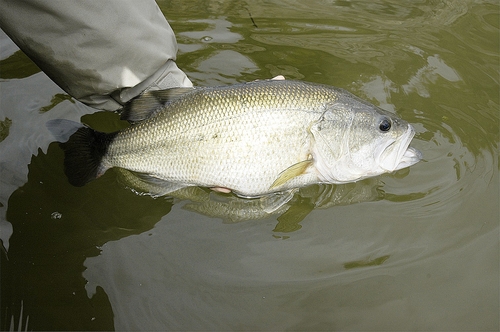
Bass activity levels are entirely driven by water temperature. In the summer, their high metabolism means frequent feeding; in the winter, they slow down dramatically.
ESSEX - Vermont’s catch-and-release bass fishing is underway, with some of the hottest bass fishing action in New England happening with the start of warmer weather. The catch-and-release bass fishing runs until Saturday, June 13, when the regular bass season opens, and the harvesting of bass is allowed.
Bass fishing regulations can be found in the Vermont Fish & Wildlife’s (VTFW) 2026 Fishing Guide & Regulations at www.eregulations.com/vermont/fishing/ or by using the online fishing regulations tool: vtfishandwildlife.com/fish/fishing-regulations/online-fishing-regulations-tool.
For catch-and-release bass fishing, all bass must be immediately released after being caught and only artificial lures may be used. Bass can be persnickety when it comes to artificial lures, but live bait is prohibited during catch-and-release season.
Bass that have begun constructing nests and are protecting eggs and newly hatched fry do not actively feed. Pre-spawn bass fishing provides outstanding angling opportunities at a time when bass are congregating but haven’t started spawning yet and so fishing has very little impact on spawning success. Water temperatures of 48° to 56°F encourage bass to move into shallow water to warm up and feed in preparation for spawning.
VTFW offers some basic tips for anglers heading out during the spring catch-and-release season.
• Let water temperatures dictate tactics and lure choices. Fishing slowly on the bottom with jig-style baits can be most effective shortly after ice-out. As water temperatures begin to rise into the 48-to-58 degree range and fish feeding activity increases, moving baits such as spinnerbaits, crankbaits, and stickbaits can be big producers.
• Look for rocky shorelines and marshy back bays. Shallow, gradual rocky shorelines consisting of ledge, rock, gravel or boulders will hold heat and warm up first, attracting baitfish and ultimately feeding smallmouth and largemouth bass. Marshy, weedy bays will also warm up quickly and attract largemouth bass.
• Pay attention to the clues: catching a fish, getting a bite or seeing a fish follow a lure are signs the angler should take another pass through the same area. Many fish will often stack up on the same structure during the spring during the transition from winter to spring and summer haunts.
To purchase a fishing license or learn more about fishing in Vermont go to www.vtfishandwildlife.com.
